
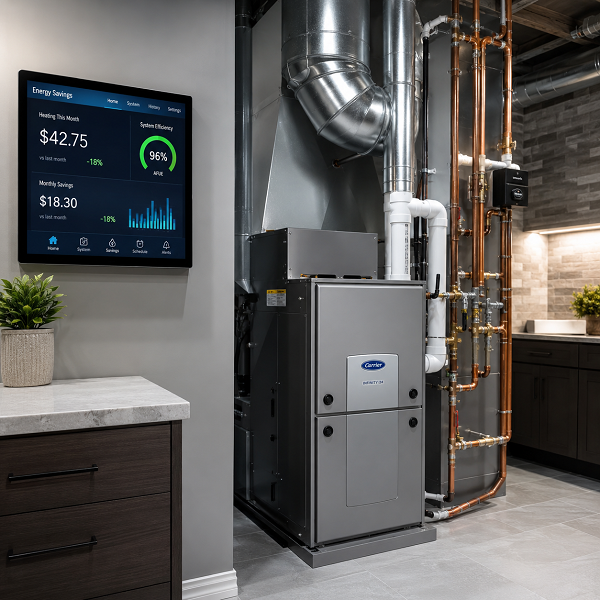
Furnace Costs are one of the most important considerations for homeowners and business owners in 2026, requiring a careful balance between comfort, energy efficiency, and long-term value. For GTA property owners navigating modern heating technologies, rising energy prices, and available incentives, understanding your options can help you make a smarter, more sustainable investment for years to come.
- Know your furnace options: Gas, electric, oil, propane, and heat pumps each offer unique benefits and costs—heat pumps stand out with up to 75% lower monthly bills and dual heating/cooling functions.
- Plan for real costs: Typical installed prices in the GTA range from $1,800–$25,000+, with most homes selecting a mid-range gas furnace ($5,500–$8,000) or high-efficiency heat pump ($12,000–$18,000).
- Check what’s included: Always request a detailed, line-by-line quote—basic installation usually covers equipment and labor but may exclude ductwork or vent upgrades that can add $1,000–$3,000+.
- Efficiency pays off: High-efficiency furnaces (90–98% AFUE) or ENERGY STAR heat pumps can cut monthly heating bills by 15–75%, dramatically lowering long-term costs and increasing home comfort.
- Factor in operating expenses: Natural gas remains most affordable for most Toronto homes ($900–$2,000/year), while heat pumps deliver major yearly savings versus older oil or electric systems.
- Tap into rebates: Federal and provincial incentives can save up to $2,000 on new ENERGY STAR heat pump installs—plan early to maximize available programs before deadlines.
- Maintain for longevity: Annual professional maintenance and filter changes are essential; well-serviced systems last 15–30 years and reduce the risk of winter failures.
- Go green for savings: Switching to electric heat pumps can drop your home emissions by up to 75% and qualify for robust sustainability incentives in the GTA.
Ready to transform your home comfort and energy savings? Dive into the full article for detailed guides, cost breakdowns, and expert advice on finding your perfect furnace solution.
Introduction
Picture this: You walk in from a freezing Toronto night, crank up the thermostat, and—nothing. Suddenly, your family’s comfort and safety depend on the reliability of your furnace—a decision you may have made years ago, but one that matters more than ever today.
In the GTA, a furnace isn’t just equipment—it’s peace of mind during winter’s longest nights, control over monthly bills, and a step toward a more energy-efficient, eco-friendly home.
But choosing the right furnace in 2026 can feel overwhelming. Installation prices vary wildly, confusing jargon hides true efficiency, and every system claims to be the best. Homeowners across North York, Oakville, and beyond are asking:
- What will a new furnace really cost in my home?
- Is switching to a high-efficiency system or a heat pump worth the investment now?
- Which type matches my property—gas, electric, oil, propane, or something smarter?
You deserve answers that are clear, practical, and tailored to your neighborhood—not generic advice or one-size-fits-all promises. That’s why this guide delivers:
- Transparent, up-to-date cost comparisons for 2026, including real installation ranges for GTA homes
- Side-by-side reviews of gas, electric, oil, propane, and heat pump systems—covering efficiency, comfort, and ongoing expenses
- Crucial tips on rebates and incentives that could save you thousands this year
- A homeowner-focused breakdown of maintenance, lifespan, and the impacts on your wallet (and the planet)
Every family’s needs and budgets are unique—but the risks of underperforming, outdated, or unreliable systems are universal. Whether you’re replacing an aging furnace after an unexpected failure or planning a proactive retrofit for efficiency, the right information can mean warmer feet, lower bills, and less stress—backed by advice you can trust.
As you weigh your options, we’ll show you “what really matters”—from essential cost breakdowns to the efficiency technology already transforming Toronto homes.
Next, discover the furnace types that shape comfort, reliability, and savings in every corner of the GTA.
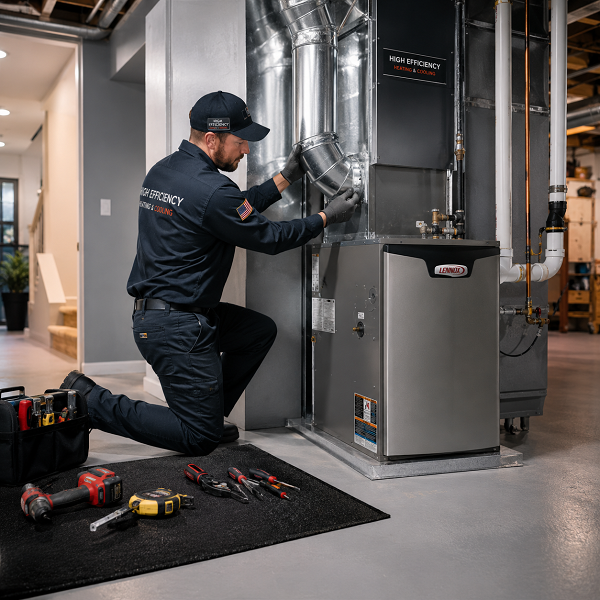
UNDERSTANDING FURNACE TYPES AND THEIR ROLES IN HOME COMFORT
Understanding Furnace Costs starts with knowing how different furnace types, efficiency ratings, and installation requirements affect the total investment. From entry-level systems to premium high efficiency furnace models, homeowners should compare both upfront pricing and long-term operating expenses before making a decision.
Main Furnace Types: What Sets Each Apart
Toronto homeowners have more heating choices than ever, and understanding the differences between gas, electric, oil, propane, and electric heat pumps is the first step to reliable home comfort.
Each furnace style has its own strengths:
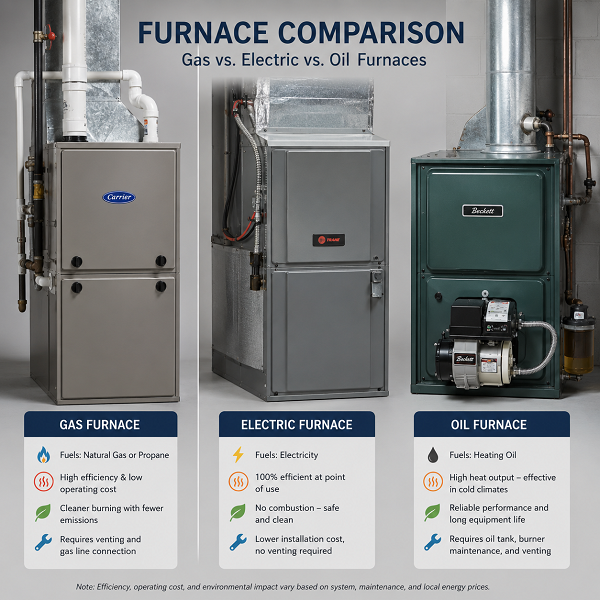
- Gas furnaces: Most popular in GTA single-family homes—fast, powerful heat and cost-effective with local gas service
- Electric furnaces: Lower upfront cost ($1,800–$7,300 installed), no flue or emissions, often chosen for condos or homes with limited fuel access
- Oil furnaces: Common in rural or older suburban properties without gas lines, but require oil deliveries and more maintenance
- Propane furnaces: Go-to for rural/off-grid homes—propane tanks mean flexible installation, but fuel costs can fluctuate
- Electric heat pumps: Stand out with ultra-high efficiency and the ability to heat and cool; costs are higher upfront ($7,500–$25,000 installed), but monthly bills can drop by up to 75%
“Not all heating systems are created equal: your fuel source, home size, and efficiency priorities will shape the best choice for you.”
How Your Furnace Fits the Modern GTA Home
Visualize stepping into your Toronto home on a crisp winter day—your furnace’s performance determines how quickly you’ll shake off the chill.
Furnace systems are chosen based on these core needs:
- Property type:
- Detached homes or larger townhomes often use gas furnaces or hybrid systems
- Multi-unit buildings and condos frequently lean on electric units or heat pumps
- Light commercial spaces may opt for higher-capacity models and added zoned controls
- Climate and energy trends:
- Toronto’s cold winters still favor gas for fast heat, but all-electric heat pumps are trending in new builds and eco-renovations
- More homeowners now prioritize energy efficiency and lower carbon footprints, driving upgrades to high-efficiency and smart-connected models
- Modern expectations:
- Smart thermostat compatibility is standard in new installations
- Reliability is non-negotiable—service interruptions in February are simply not an option
- Noise, air quality, and installation impact are now as important as monthly costs
“Picture this: a smart, energy-efficient furnace that’s nearly silent, adapts to your daily routine, and keeps every room comfortable—today’s systems are designed to blend comfort with intelligent control.”
Toronto buyers are making savvy choices that fit their lifestyle, budget, and sustainability goals—and your next furnace can do the same.
The right furnace delivers not just heat, but peace of mind and ongoing energy savings. Armed with these fundamental distinctions, you’re ready to match the perfect system to your home and family’s needs.
2026 Furnace Costs: Upfront Investment, Installation & Project Factors
The most common furnace types include gas, electric, and oil systems, each offering different performance levels, maintenance requirements, and price points. Comparing the gas furnace cost, electric furnace cost, and overall new furnace price helps homeowners choose the best solution for their budget and comfort needs.
Installed Cost Comparison by Furnace Type
Choosing a new furnace in 2026? Expect to see installed costs ranging widely by system type and features.
Here’s a quick cost breakdown (including both equipment and basic installation):
- Electric furnaces: $1,800–$7,300
- Gas furnaces: $2,800–$12,000
- Oil furnaces: $4,500–$10,000
- Propane furnaces: $3,700–$14,200
- Electric heat pumps: $7,500–$25,000
For a typical 2,000 sq ft GTA home, most buyers select:
- Mid-range gas furnace: Around $5,500–$8,000 installed
- High-efficiency heat pump: Falls between $12,000–$18,000 installed
“Most furnace projects in 2026 fall between $2,800 and $6,900—average around $4,800.”
Quoted prices usually cover:
- All major equipment
- Professional labor
- Standard basic installation (does not usually include major ductwork changes or upgrades)
What Drives Total Furnace Cost?
Smart budgeting means understanding what can push your price up—or keep it in check.
Picture this: You’re upgrading your North York home’s aging furnace. If your ductwork is in good condition and you stick to a standard replacement, your bill may stay close to the averages above.
But key cost influencers include:
- Furnace sizing: Larger or poorly insulated homes need bigger (and pricier) systems
- Complex installation: Updating ductwork, switching fuel sources, or complex layouts increase labor hours
Extra fees to factor in:
- Ductwork repairs or upgrades: $1,000–$3,000+
- Permits/removal/disposal: $300–$800+
- Adjustments for code requirements or unique site needs
“Every home is different—expect final quotes to reflect local labor rates and even seasonal demand.”
- Winter installs can bring higher quotes due to peak demand for emergency service
What’s Included (and What’s Not) in a Typical Furnace Quote
Always check your quote for what’s covered:
- Included: Equipment, standard labor, basic start-up/testing, removal of your old unit (sometimes)
- Not always included: Duct modifications, complex venting, electrical/fuel line upgrades, high-efficiency add-ons
“Understanding the full breakdown can save you thousands—ask for transparent, line-by-line quotes before work begins.”
Savvy GTA homeowners focus on both upfront and ongoing value, balancing budget, comfort, and efficiency. The key to a smooth project? Know your true system needs, and always clarify what’s included in your quote.
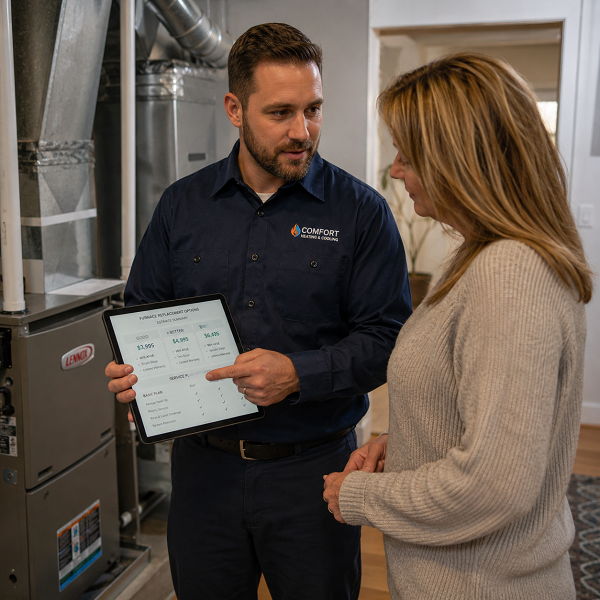
Fuel Source Comparison: Gas, Electric, Oil, Propane, and Heat Pumps
Choosing the right fuel source is one of the biggest factors affecting Furnace Costs, comfort, and long-term energy savings. Comparing gas, electric, oil, propane, and heat pump systems helps homeowners understand differences in performance, installation requirements, furnace operating costs, and overall furnace energy efficiency before selecting the best heating solution for their property.
Understanding Performance in the Toronto Area
Choosing the right furnace in the GTA starts with knowing what sets each fuel type apart.
Gas, electric, oil, propane, and heat pumps each offer distinct pros, cons, and price points—all of which impact real-world comfort and cost.
Picture this: it’s the coldest January night, and your home’s warmth depends on both efficiency and reliability. This is where matching fuel source to your needs really pays off.
—
Gas Furnaces: Reliable and Cost-Effective Heat
Gas furnaces are a favorite across North York, Oakville, and Toronto, balancing strong heat output with efficiency.
- Efficiency: Modern units range 80–98% AFUE—meaning up to 98% of fuel becomes home heat.
- Cost: Expect installed prices from $2,800 to $12,000 in 2026.
- Ideal for: Homes with existing gas hook-up, especially where winter temps dip below zero.
Key considerations:
- Pros: Fast heat, lower operational cost than oil or electric in most GTA neighborhoods.
- Cons: Needs annual maintenance, and combustion means venting and air quality checks are crucial.
“Gas remains the workhorse for dependable Toronto home heating.”
See more: [Gas Furnace Costs: Installation and Operation in 2026]
—
Electric Furnaces: Easy on the Budget, Tough on Winter Bills
Electric furnaces win on price but demand attention to operating costs.
- Efficiency: Nearly 100% AFUE—all the electrical energy turns to heat.
- Cost: Most affordable upfront at $1,800–$7,300 installed.
- Best fit: Smaller homes, condos, or properties with solar panels.
Key considerations:
- Pros: Lower initial investment, minimal maintenance, no chimney.
- Cons: Electricity costs can surge, making them less appealing for large homes or during deep freezes.
“Electric heat can be simple, but mind your monthly utility bill—especially every January in Toronto.”
Explore: [Electric Furnace Cost and Value Explained 2026]
—
Oil Furnaces: A Niche Solution for Special Cases
Oil systems survive where gas lines can’t reach, often in older or rural homes around the GTA.
- Efficiency: Typically 80–85% AFUE but up to high-80s for newer models.
- Cost: Installed ranges from $4,500 to $10,000.
- Use case: Only where gas is not available and existing tanks make upgrades easier.
Key considerations:
- Pros: High output, matches legacy setups.
- Cons: Requires storage tank, scheduled fuel deliveries, and frequent servicing.
“For specialized needs, oil delivers—but expect higher operating and environmental costs.”
More details: See our environmental guide for oil furnace impact.
—
Propane Furnaces: Off-Grid Versatility
When natural gas stops at the sidewalk, propane steps in.
- Efficiency: Matches gas (80–98% AFUE).
- Cost: Installed ranges from $3,700 to $14,200.
- Best for: Rural homes or those far from existing gas infrastructure.
Key considerations:
- Pros: High BTU output, tank can be sited almost anywhere.
- Cons: Propane prices are volatile, and tanks require service contracts.
“Propane offers freedom from city lines—but with price unpredictability.”
Electric Heat Pumps: Ultimate Efficiency and Comfort Combo
Heat pumps deliver both heating and cooling—with unmatched energy savings for the GTA’s evolving market.
- Efficiency: Can cut home heating energy use by up to 75% versus electric furnaces (DOE).
- Cost: Higher upfront at $7,500 to $25,000 installed, but major incentive programs often apply.
- Best fit: All-electric homes, renovations, eco-conscious upgrades.
Key considerations:
- Pros: Dual-purpose, outstanding efficiency, valuable rebates up to $2,000 available through local and federal programs.
- Cons: Highest start-up cost; may require backup heat in deep GTA winters.
“One unit for year-round comfort—and the steepest drop in energy use and emissions.”
See guide: Heat pump vs. furnace—making the choice for 2026.
—
A quick recap: Fuel choice shapes the balance of upfront cost, energy savings, and comfort for your Toronto home. Whether your priority is monthly bills, installation simplicity, or reducing emissions, matching your system to your property and local infrastructure is key for 2026.
Furnace Efficiency and Energy Ratings: What Homeowners Need to Know
Understanding efficiency ratings is essential when comparing Furnace Costs and estimating long-term heating expenses. Key performance metrics help homeowners evaluate furnace energy efficiency, predict annual energy consumption, and determine whether investing in a high efficiency furnace will provide meaningful savings over the life of the system.
Key Metrics Explained
When shopping for a furnace in 2026, the first number to check is the Annual Fuel Utilization Efficiency (AFUE)—the standard way to measure how efficiently your furnace turns fuel into heat.
A higher AFUE means less fuel is wasted. For example, a furnace rated at 95% AFUE converts 95% of the fuel into usable heat, losing only 5% through exhaust.
Modern high-efficiency furnaces (typically 90%+ AFUE) use condensing technology and sealed combustion to minimize energy loss and improve indoor air quality.
Expect the following 2026 efficiency ranges for typical GTA installs:
- Standard gas furnace: 80–89% AFUE
- High-efficiency gas furnace: 90–98% AFUE
- Electric furnace: Nearly 100% AFUE (but with higher operating costs)
- Oil furnace: 80–87% (with high-efficiency models exceeding this for select brands)
High-efficiency furnaces may cost more upfront (often $1,000–$2,000 extra) but typically cut monthly heating bills by 15–30% compared to older models.
“Choosing a high-efficiency furnace isn’t just about numbers—it’s about real savings on your monthly bill and a cozier Toronto winter.”
Understanding Heat Pumps vs. Furnaces
Heat pumps use a different set of metrics:
- SEER2: Measures cooling efficiency
- HSPF (Heating Seasonal Performance Factor): Measures heating efficiency
Unlike furnaces’ AFUE, heat pumps can deliver 2–4 times more heating energy than the electricity they consume—that’s up to 300–400% “efficiency” in mild weather.
The real-world impact? A modern cold-climate heat pump can cut heating electricity use by up to 75% compared to an electric furnace, a big deal for Toronto-area homeowners facing high utility prices.
Picture this: Instead of blasting resistance coils all winter, your heat pump quietly pulls warmth from outside air—even when it’s below zero.
“Heat pumps aren’t just efficient—they redefine what’s possible for comfort and year-round savings in GTA homes.”
ENERGY STAR & Technology Advancements for 2026
Look for the ENERGY STAR® label for trusted, government-backed efficiency. In 2026, the newest gas furnaces need ≥95% AFUE and qualifying heat pumps must hit high HSPF/SEER2 numbers to earn ENERGY STAR status.
Key 2026 trends:
- More models include variable-speed fans and smart diagnostics
- Policy now often favors electric and renewable-ready systems
- Stricter local codes push for only “high-efficiency” gas installs in new builds
Here are immediate ways to use efficiency data:
- Ask for AFUE, SEER2, and HSPF numbers before you buy
- Use labels and rebates to compare long-term value, not just sticker price
- For the latest incentives, check trusted GTA providers or local utilities
“In 2026, picking an ENERGY STAR furnace or heat pump puts your home ahead on comfort, cost, and resale value—no guesswork required.”
Energy ratings answer two questions instantly: How much will you spend each month, and how warm will your home feel all winter? When you know what the numbers mean, you’re in control—whether you’re comparing up-front costs or planning for years of comfort.
Ongoing Operating Costs, Maintenance, and Lifespan Considerations
Beyond the initial purchase price, homeowners should consider ongoing expenses that influence the total cost of ownership. Factors such as furnace operating costs, annual maintenance, repair frequency, and expected lifespan can significantly impact long-term value, making it important to evaluate both efficiency and durability when comparing heating systems.
Operating Cost Analysis
When considering furnace choices in the GTA, operating costs can make or break your budget over time.
Natural gas remains the most affordable heat source for most Toronto-area homes, with typical annual bills around $900–$2,000 depending on system age, efficiency, and winter severity.
Electric heat pumps, while pricier to install, use up to 75% less electricity than traditional electric furnaces, offering annual savings that often reach $700–$1,500. Electric furnaces, by comparison, can run $2,000–$3,800 per year if Toronto electricity rates keep trending upward.
Oil and propane systems cost the most to fuel—local estimates for oil average $2,400–$4,000+ a year, with propane often even higher due to volatile market rates.
Monthly heating bills in the GTA are shaped by:
- System efficiency (AFUE or HSPF rating)
- Size and insulation level of your home
- Current local gas and electric rates
- Use of smart thermostats and regular maintenance
“Choosing the right system can mean the difference between manageable bills and winter sticker shock.”
“Picture this: A typical 2,000 sq ft Toronto home swapping from oil to a high-efficiency heat pump could cut annual heating costs by nearly half—freeing up serious dollars for what matters most.”
Maintenance and Service Requirements
Keeping your furnace in top shape protects your investment and your comfort during Toronto’s deep-freeze months.
Regular maintenance is essential. For every furnace type, schedule a professional inspection and tune-up at least once a year.
Typical maintenance needs by system:
- Gas, oil, and propane:
- Annual cleaning of burners and heat exchangers
- Filter changes every 3 months
- Vent and carbon monoxide checks
- Electric furnaces:
- Filter replacements
- Electrical connections review
- Less frequent but still vital safety checks
- Heat pumps:
- Annual coil cleaning
- Refrigerant checks
- Air filter changes every 1-3 months
Lifespan quick facts:
- Electric furnaces: 20–30 years
- Gas/propane furnaces: 15–30 years
- Oil furnaces: 15–20 years
- Heat pumps: About 15 years
Toronto’s winters put extra strain on all systems—always fix issues promptly and don’t skip annual servicing to avoid costly breakdowns.
A well-maintained furnace or heat pump is your best defense against unpredictable energy costs and emergency repairs. Staying on top of efficiency upgrades and yearly servicing sets you up for years of comfortable, stress-free warmth—so your home stays cozy, no matter what the GTA weather brings.
Environmental Impact and Efficiency Incentives (2026 Focus)
Environmental considerations are becoming increasingly important when evaluating Furnace Costs and heating system upgrades. Understanding emissions, fuel consumption, available rebates, and furnace energy efficiency ratings can help homeowners choose a heating solution that reduces environmental impact while lowering long-term operating expenses and maximizing potential savings through 2026 incentive programs.
Emissions, Eco-Friendliness, and Your Furnace Choice
If you’re weighing a new furnace or heat pump in 2026, emissions and eco-friendliness matter for both your budget and neighborhood air quality.
Here’s how major furnace types rank for environmental impact:
- Natural gas furnaces: Lower emissions than oil, produce CO2, but are cleaner-burning and common across the GTA.
- Electric furnaces: Zero onsite emissions, but depend on how Ontario’s grid electricity is produced (currently ~92% emissions-free, mainly hydro/nuclear).
- Oil furnaces: Highest direct emissions—heating oil use increases both carbon and air pollutant output.
- Propane furnaces: Slightly “cleaner” than oil, but greater emissions than gas per BTU.
- Electric heat pumps: Often the lowest-carbon choice; use electricity to move heat, not create it. As the Ontario grid decarbonizes, heat pumps become even cleaner.
Picture this: Your home switches to a cold-climate heat pump—your yearly heating emissions drop by as much as 75%, and your utility bill shows significant savings.
Green Trends, Rebates, and 2026 Incentives
With climate goals front and center, rebates and incentives for efficient HVAC are at record highs in the GTA.
Key programs for 2025-2026 installations:
- Federal tax credits: Up to $2,000 for qualifying ENERGY STAR heat pumps installed before end of 2025.
- Provincial incentives: Rebates for high-efficiency gas furnaces, heat pumps, and integrated smart controls through the Enbridge and Save on Energy programs.
- Local utility rebates: Many GTA utilities offer extra savings (amounts change annually—always check for updates).
- Special programs: Extra incentives for replacing oil/propane with heat pumps or for full “fuel-switch” projects.
Picture a family in North York: after switching from oil to heat pump, they not only reduce their carbon footprint, but also receive a rebate check—making the upgrade feel like both a win for the planet and their wallet.
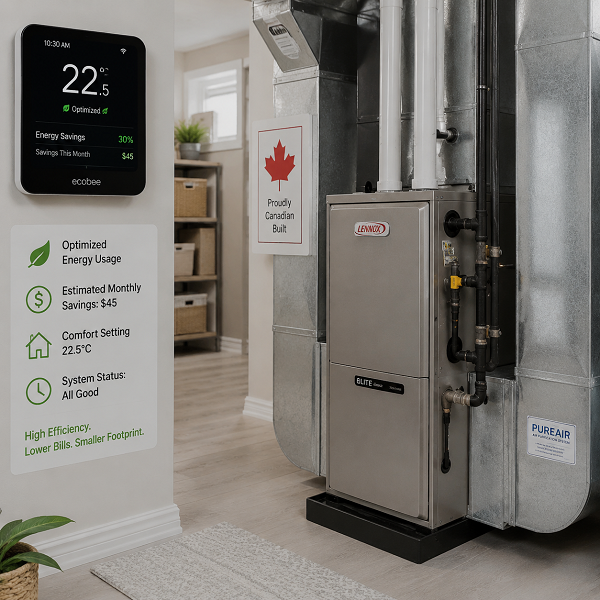
Navigating Rebates and Planning Your Upgrade
Taking advantage of available rebates and incentive programs can significantly reduce overall Furnace Costs and improve the return on your investment. By researching eligibility requirements, comparing qualifying high efficiency furnace models, and planning upgrades before peak installation seasons, homeowners can maximize savings while improving comfort and reducing long-term furnace operating costs.
To maximize incentives in 2026:
- Document your current system and gather recent energy bills.
- Use official portals (like Enbridge, Natural Resources Canada, Save on Energy Ontario) for up-to-date rebate eligibility.
- Ask your installer for a line-by-line quote that highlights all available rebates and utility programs.
- Consider timing: some incentives are set to expire after 2025—plan projects early!
Choosing a cleaner, high-efficiency system doesn’t just help the environment—it can pay off immediately through rebates and ongoing utility savings. For GTA homeowners, now is the ideal moment to lock in an upgrade that’s good for both your comfort and your community.
Choosing the Right Furnace for Your Home or Business in 2026
Selecting the right heating system requires balancing Furnace Costs, building size, energy goals, and long-term performance expectations. Whether you’re comparing furnace types, evaluating furnace installation cost, or considering a furnace replacement cost, understanding your property’s specific heating needs will help you choose the most cost-effective and energy-efficient option for 2026 and beyond.
Quick Decision Guide: Matching Needs to Options
Finding the perfect furnace for your property comes down to balancing upfront cost, long-term savings, and environmental priorities.
Use this rapid checklist to align your shortlist with what matters most:
- Lowest upfront cost: Standard gas furnace ($2,800–$10,000) or electric furnace ($1,800–$7,300)
- Lowest long-term costs & cooling: High-efficiency heat pump ($7,500–$25,000; up to 75% lower heating energy use)
- No gas service: Compare heat pump vs. propane ($3,700–$14,200) for rural/off-grid
- Already have oil: Oil furnace replacement ($4,500–$10,000) is easy, but heat pump conversion saves more over time
Picture this: A busy Toronto homeowner with an older furnace and rising bills can cut yearly heating costs by switching to a high-efficiency heat pump, bringing a quieter, all-in-one comfort system to their home.
Pro tip: Always ask about available rebates—2026 incentives can save you up to $2,000 on new heat pump installs.
“A new furnace should fit your budget and your family’s comfort goals—without surprise costs.”
—
Planning for the Future: Flexibility & Upgrades
Your 2026 furnace investment goes further when you plan ahead for evolving tech, lifestyle, or resale needs.
Consider:
- Smart compatibility: Connect your new system with programmable thermostats or full home automation
- Repair vs. Replace: If your furnace is past 15 years, replacement is usually more energy-efficient and reliable
- Future-proof choices: High-efficiency systems, electrification-ready setups, and integration with green energy sources help your property adapt as utility rates and regulations evolve
Visualize a smart app alerting you before a cold snap hits North York—your upgraded system is ready, energy usage tracked, and comfort dialed in from your phone.
“Modern furnaces do more than heat: they boost home value, cut emissions, and fit into your connected lifestyle.”
Even the most efficient heating system can experience unexpected issues over time. If your furnace starts making unusual noises, struggles to maintain temperature, or stops working altogether, our Furnace Repair Guide provides step-by-step troubleshooting tips, common repair solutions, and expert advice on when to call a professional to restore comfort and avoid costly breakdowns.
How BobbyAir Supports Homeowners in the GTA
BobbyAir is dedicated to making furnace decisions simple and stress-free, with expert technicians guiding you from quote to installation—always with transparent pricing and local expertise.
Here’s what sets BobbyAir apart for Toronto-area clients:
- 24/7 emergency repair and fast-turnaround installs
- Factory-trained, trusted team providing honest advice
- Focused on energy efficiency—aligned with current rebates and green initiatives
- Real-world example: “Our Oakville client cut their winter bills by 40% after our team installed a high-efficiency heat pump, and praised our team’s ‘courteous, tidy, and responsive’ service.”
“When your heat stops working at midnight, you need a team that knows your neighborhood and gets it right the first time.”
—
Choosing a furnace in 2026 is about more than dollars—it’s about comfort, peace of mind, and a system that grows with your needs. Make every dollar count by working with a partner who’s as reliable as your new furnace.
Conclusion
Choosing the right furnace for your Toronto-area home or business isn’t just about staying warm—it’s about investing in long-term comfort, energy savings, and peace of mind for every winter ahead.
Modern furnace and heat pump options now deliver smarter efficiency, greater reliability, and meaningful environmental benefits. With today’s technology, it’s possible to enjoy a quieter, healthier, and more cost-effective home—all while contributing to a greener GTA.
—
Here’s how you can take confident action right now:
- Prioritize high-efficiency systems to save on both monthly bills and environmental impact
- Leverage available rebates and incentives—these can significantly reduce upfront costs
- Work with local experts who know Toronto homes, codes, and climate challenges
- Demand transparent, detailed quotes—ensure you understand what’s included before you commit
- Plan for annual maintenance by scheduling service now, preventing costly breakdowns when it matters most
—
Ready to make your next move?
- Reach out to a trusted GTA HVAC provider like BobbyAir for a personalized quote and honest advice
- Gather your current utility bills and existing furnace info to compare options
- Book a no-obligation in-home assessment to see which solution best fits your property and budget
- Act early—lock in maximum incentives and avoid peak-season rush for upgrades and emergency repairs
—
Your next furnace is more than a heating system—it’s a smarter investment in comfort, savings, and a healthier home.
Choose with confidence, upgrade with purpose, and let your new furnace be the foundation for years of warmth and peace of mind.
When you surround yourself with the right technology and the right team, every Toronto winter starts to feel a little brighter.
Homeowners looking to improve heating performance and reduce utility bills can benefit from the resources provided by Natural Resources Canada. The organization offers expert guidance on energy-efficient home upgrades, furnace efficiency ratings, heating system comparisons, and available government programs that support smarter energy use. Reviewing these recommendations can help you make informed decisions when evaluating Furnace Costs, selecting a high efficiency furnace, or planning a future heating system upgrade.
FAQs
What is the average furnace cost in 2026?
The average furnace cost ranges from $3,500 to $8,500 installed, depending on furnace type, efficiency rating, home size, and installation complexity.
Which furnace type is the most affordable?
Electric furnaces generally have the lowest upfront purchase price, but gas furnaces often provide lower long-term operating costs in colder climates.
Does a high-efficiency furnace save money?
Yes. A high efficiency furnace with a 95%+ AFUE rating can significantly reduce energy consumption and lower annual heating bills compared to older systems.
How long does a furnace typically last?
Most modern furnaces last between 15 and 20 years with proper maintenance, annual servicing, and regular filter replacement.